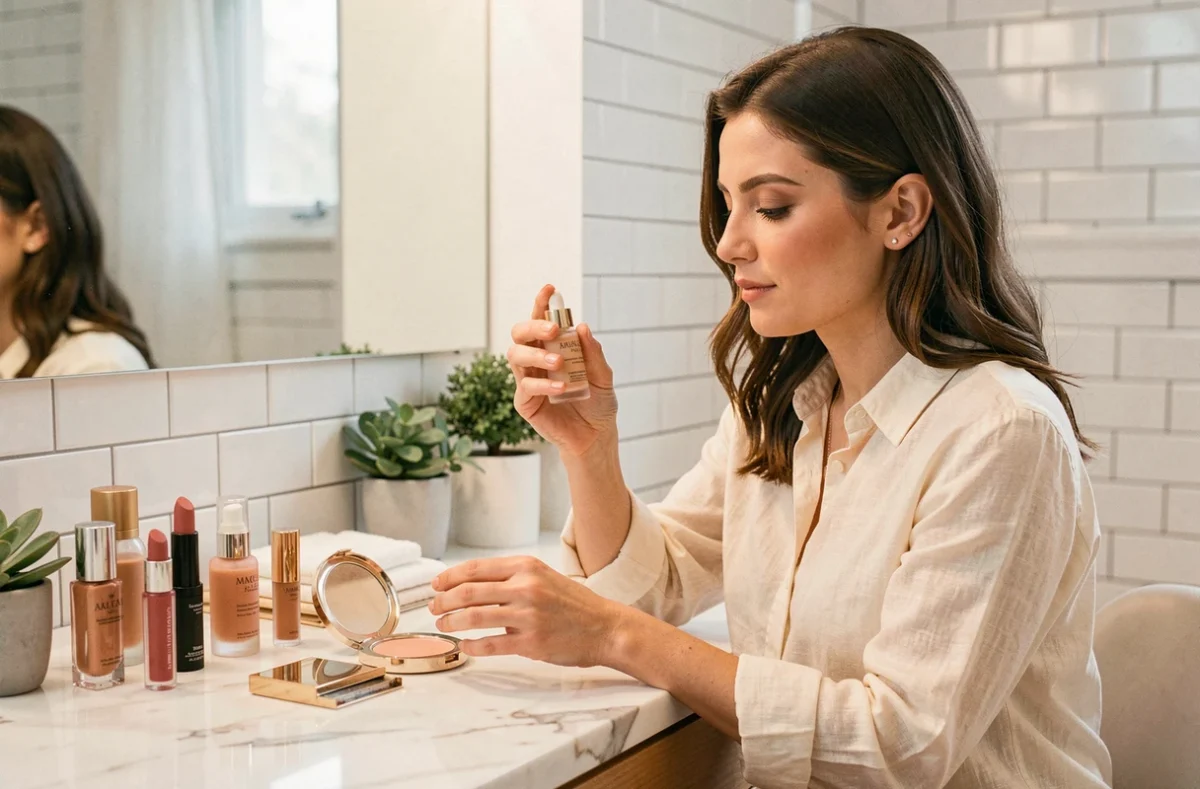
This progression is accompanied by a changing European regulatory framework, with new obligations regarding allergen labeling and the gradual restriction of microplastics. Online shops specializing in cosmetics must adapt their offerings, transparency, and advisory tools.
European Cosmetic Regulation: What Changes for Online Purchasing
Regulation (EU) 2023/1545 expands the list of fragrance allergens that must be listed individually on cosmetic product labels. The transition period for clearing stocks already on the market runs until July 31, 2028. For a consumer purchasing online, this evolution has a direct consequence: the ingredient list displayed on a product page becomes a much more precise verification tool than before.
On the formulation side, the European restriction on microplastics follows a gradual timeline. Rinse-off cosmetics (shower gels, shampoos) are affected starting October 17, 2027, rinse-free products starting October 17, 2029, and makeup products for lips and nails have later deadlines. These dates do not only concern exfoliating microbeads: they affect a broader range of synthetic polymers present in many creams and serums.
A serious online shop can differentiate itself by making this information accessible. Displaying the complete INCI list, highlighting the expanded allergens, and specifying whether a formulation is already compliant with future restrictions on microplastics are all elements that allow customers to make informed choices without having to return the bottle to the store. Those who wish to visit the Kosmetic online shop will find a catalog organized around these transparency criteria.
Limits of Online Beauty Advice and Concrete Solutions
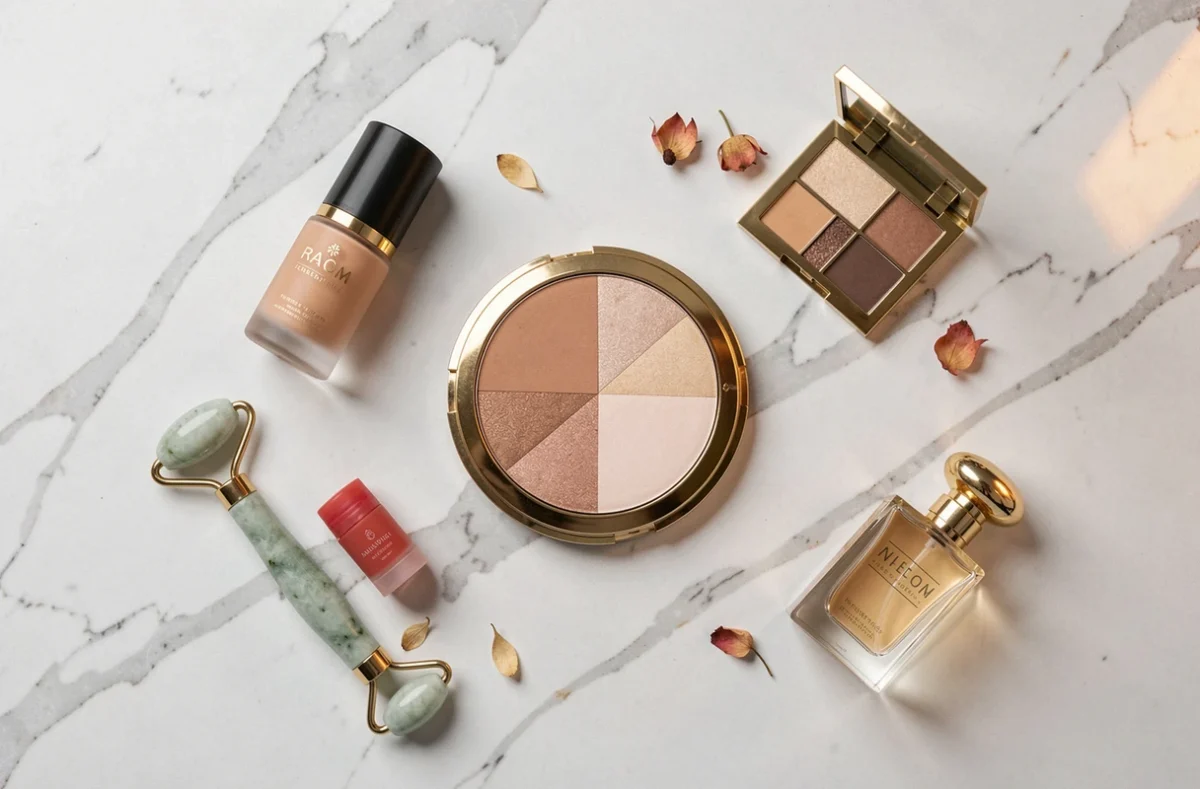
One of the persistent barriers to purchasing cosmetics online remains the inability to test a product before ordering it. According to an analysis published by Splio, personalized advice, in-store trials, skin diagnostics, and sensory experiences remain key elements of the purchasing journey. The texture of a cream, the scent of a perfume, the coverage of a foundation: these parameters cannot be conveyed through a photo.
Artificial Intelligence Tools for Skin Diagnosis
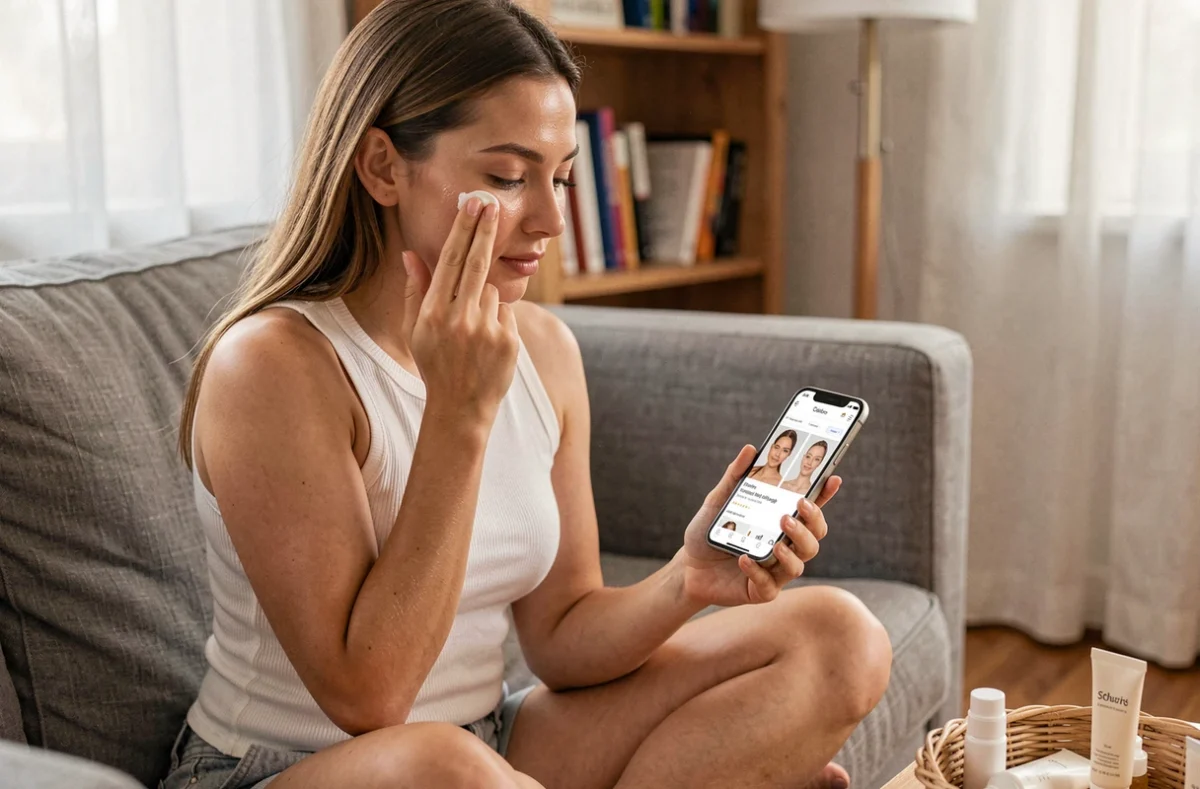
Several brands and platforms now offer AI tools capable of analyzing a photo of the skin to recommend suitable treatments. These technologies are advancing, but their limitations are well documented. The reliability of the diagnosis varies depending on the quality of the photo, lighting, skin type, and the training data of the model. A tool calibrated primarily on lighter skin will produce less relevant recommendations for darker complexions.
Online shops that integrate these tools benefit from clarifying their scope of use. An AI diagnosis does not replace a dermatological consultation, and clearly stating this enhances the site’s credibility rather than undermining it.
Content Formats that Compensate for the Absence of Physical Testing
Beyond AI, certain formats help consumers visualize:
- Texture videos showing the application of a product on different skin tones, with unretouched results, provide information that a static product page does not convey.
- Customer reviews structured by skin type (oily, dry, combination, sensitive) allow filtering relevant feedback rather than reading dozens of generic comments.
- Samples included in orders remain the most direct way to discover a treatment or fragrance without commitment, and shops offering this option generally display lower return rates.
Online Cosmetic Product Trends: Beyond Marketing
Beauty trends circulate quickly on social media, and their translation into online purchasing actions deserves a more nuanced view than the usual promotional lists.
Clean Beauty and Natural Cosmetics: Reading Beyond the Label
The term “clean beauty” has no regulatory definition in Europe. Each brand or distributor can set its own criteria for excluding ingredients. For the consumer, the lack of a normative framework makes it difficult to compare brands. An online shop that clarifies its selection criteria (percentage of natural origin ingredients, recognized labels like Cosmos or Ecocert, specific exclusion lists) provides value that simple “clean” labeling does not offer.
Personalization of Skin Care and Tailored Routines
The demand for personalized skincare products is growing in the beauty e-commerce sector. Some brands offer custom formulations after a detailed questionnaire about skin type, concerns (wrinkles, spots, blemishes), and lifestyle. Others adopt a modular approach, where the customer builds their routine by combining targeted serums and creams.
Personalization works best when it is based on verifiable dermatological data rather than a marketing algorithm. Shops that publish the methodology of their recommendations, including the scientific sources they rely on, stand out in a market where consumer trust online remains a decisive factor.
Choosing an Online Cosmetic Shop: Reliability Criteria
In the face of the proliferation of beauty product sales sites, several criteria can help distinguish a reliable shop from a simple seller without guarantees.
- Displaying complete INCI lists on each product page, and not just the “star ingredients,” reflects a transparency approach in line with European regulatory requirements.
- Traceability of batches and storage conditions (especially for products with limited shelf life like certain vitamin C serums) should be documented.
- Return and refund policies specific to cosmetics (opened products, declared allergies) must be clearly stated in the terms of sale.
- The presence of a customer service capable of answering questions about formulations, and not just about delivery, remains an indicator of specialization.
The online beauty market is structured around transparency and rigorous information rather than just price or novelty. The European regulatory obligations that are gradually coming into force push in this direction. For the consumer, the most reliable criterion remains a shop’s ability to document what it sells, ingredient by ingredient, without any gray areas.