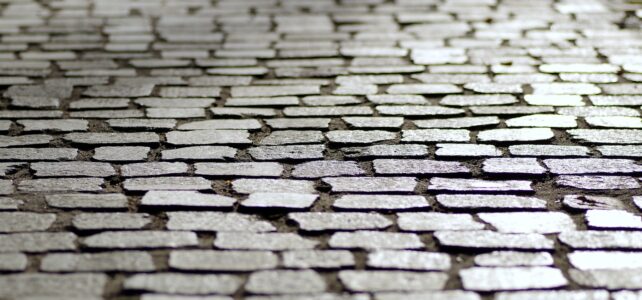
Paving a road is a complex process that requires expertise and precision. Whether for the construction of a new roadway or the refurbishment of an old one, it is imperative to follow specific steps to ensure optimal durability and safety. Many people are unaware of the technical details and considerable efforts needed to transform a raw surface into a drivable path.
Site Assessment and Preparation
Before even thinking about laying the first paver, it is essential to rigorously assess and prepare the site. Proper preparation ensures the durability and stability of the road.
First, the site assessment begins with a thorough inspection of the existing surface. This inspection helps detect potential drainage issues, soil stability, and leveling problems. Once these issues are identified, it becomes possible to plan the work more precisely.
- Soil Inspection: A geotechnician evaluates the composition and stability of the soil to identify any issues that could compromise the quality of the paving.
- Drainage Study: Proper water drainage is crucial to avoid water accumulation that can cause long-term damage.
- Surface Leveling: Correct leveling ensures a uniform and stable base for laying the pavers.
After this assessment, the preparation generally includes the removal of the old surface, if necessary, and the stabilization of the soil with appropriate materials such as sand or compacted gravel.
Material Selection
The choice of materials is a determining step in the quality and final appearance of the road; you will find more advice here. Different types of pavers have specific characteristics that influence the final result.
Natural stone, concrete, and reconstituted stone pavers are the most commonly used. Each of these materials offers unique advantages in terms of durability, aesthetics, and cost.
- Natural Stone: Valued for its durability and authentic appearance, it is ideal for high-end projects.
- Concrete: Versatile and less expensive, concrete offers a wide variety of shapes and colors.
- Reconstituted Stone: This material combines the advantages of natural stones and concrete, providing an aesthetic and durable solution at a moderate cost.
Paver Installation
The installation of pavers is a crucial step that requires precision and method. Poor installation can compromise the road’s durability.
First, it is necessary to lay a solid foundation layer. This layer is generally composed of compacted gravel or stabilized sand. It provides a stable and uniform base for the pavers.
Next, the pavers are laid according to a predefined pattern. It is essential to maintain regular gaps to allow for proper drainage and prevent shifting of the pavers. The use of polymer sand to fill the joints is a common technique that enhances the stability of the pavers.
Once the pavers are laid, a vibrating plate is used to compact the entire surface, ensuring a flat and stable surface. This step is essential to avoid settling and movement of the pavers over the long term.
Maintenance and Repairs
Paving a road does not end with the laying of the pavers. Regular maintenance and timely repairs are essential to ensure the longevity and safety of the roadway.
Regular maintenance includes cleaning the pavers and checking the joints. It is important to verify that the polymer sand remains in place and to replace it if necessary. In case of damage, such as cracks or settling, prompt repairs are necessary to avoid more significant issues.
Replacing damaged pavers is a delicate operation that requires carefully removing the damaged paver, preparing the underlying surface, and then laying a new paver while ensuring alignment and level with the surrounding pavers.
Paving a road is a complex task that requires careful planning, wise material selection, and precise installation. Regular maintenance and timely repairs ensure the durability and safety of the roadway, thus guaranteeing a quality road for years to come.