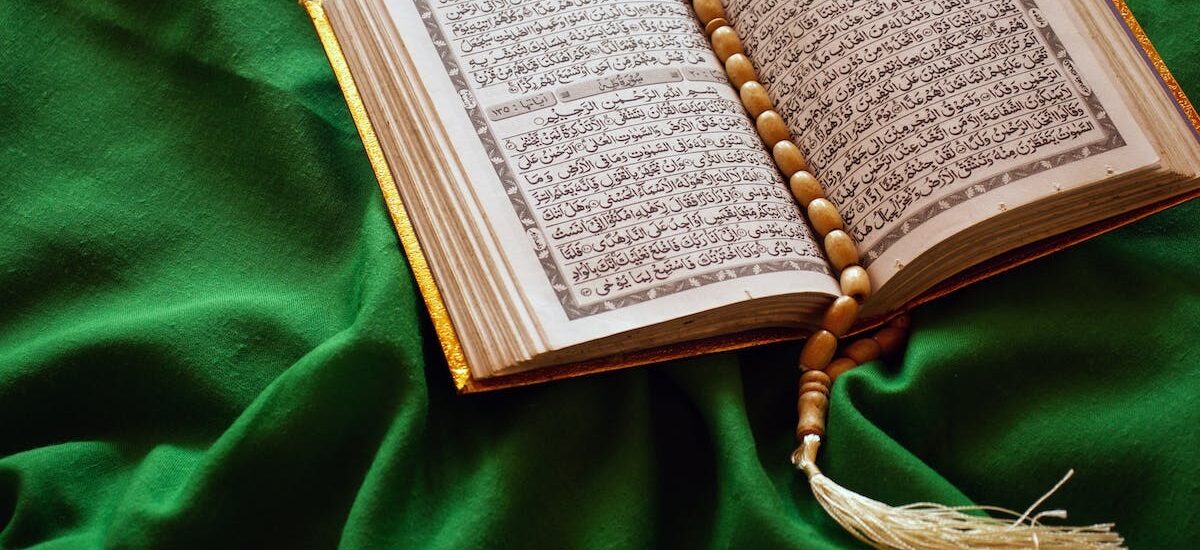
The Quran, the sacred text of Islam, is a vast collection of religious and philosophical discourses. This book, revealed to the prophet Muhammad in the 7th century, continues to be the spiritual guide for Muslims around the world. Yet, the extent of its content often remains unknown. How many pages does this collection of divine verses contain? What is its exact scope? Let’s explore together the dimensions of this sacred text, a key element for understanding the richness and complexity of Islam.
The Quran: a spiritual treasure with many facets
The composition of the Quran is highly complex. It is divided into 114 chapters, called surahs, which contain a variable number of verses. Some chapters are very short, with only three or four verses, while others contain more than a hundred verses.
The Quran has a total of about 6,236 pages depending on the editions and the font sizes used. Each page of the Quran consists of several lines, and each line can contain between fifteen and twenty Arabic words.
When looking at all the pages of the Quran side by side, one realizes the monumental extent of this sacred work. Its imposing size reflects not only its theological richness but also its influence in the Muslim world.
It should be noted that the indicated numbers may vary slightly depending on the different translations or interpretations of the original Arabic text. Regardless of any possible variation, there is no doubt that the Quran remains an essential testimony for understanding and appreciating the Islamic religion in all its diversity and spiritual depth.
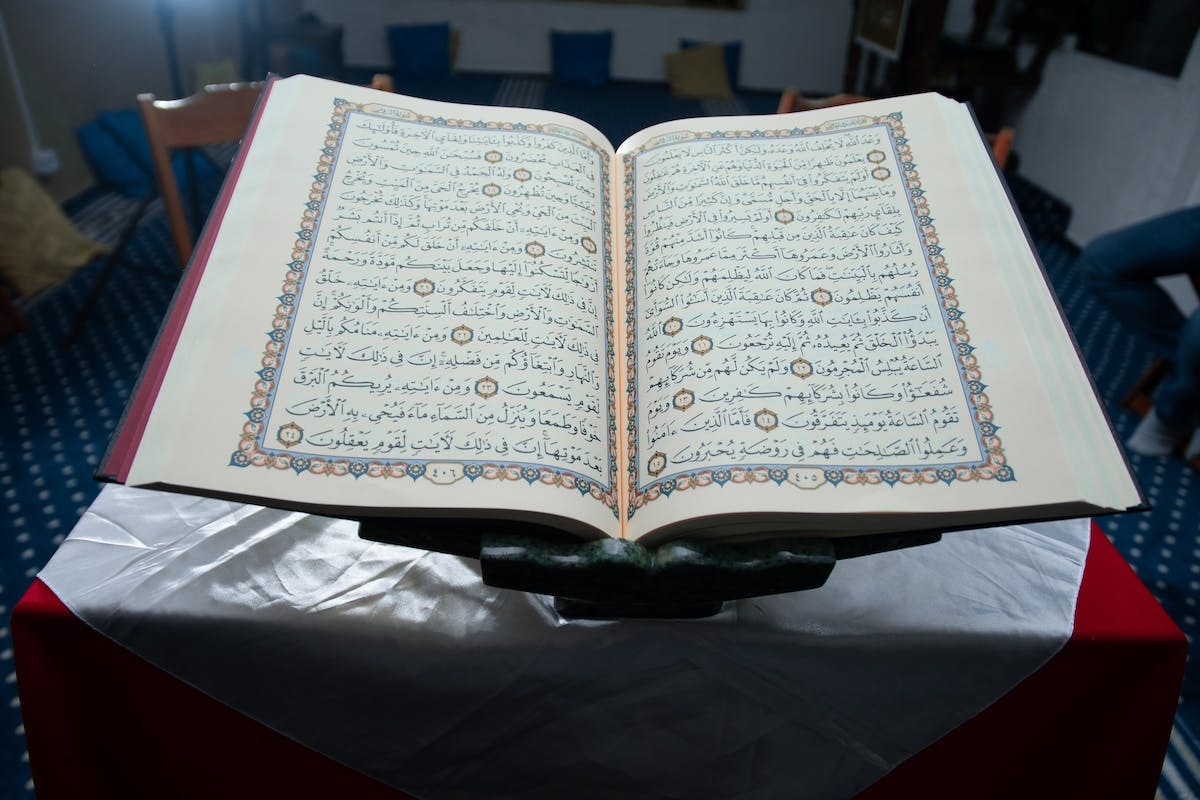
The composition of the Quran: a mosaic of chapters and verses
The impressive size of the Quran makes it a true monumental work. With its 6,236 pages, it stretches for miles of paper when fully unfolded. This physical grandeur reflects the depth and importance it holds for Muslim believers around the world.
Each page of the Quran is a treasure of Arabic calligraphy, featuring intricate patterns and captivating visual beauty. Each of these pages is treated with respect and reverence by those who study or recite this sacred text.
But beyond its material dimension, it is the spiritual significance of the Quran that gives it its monumental character. It serves not only as a source of religious teaching but also as a moral and ethical guide for Muslims in their daily lives.
The considerable number of verses present in the Quran attests to the theological richness it contains. Every word has been carefully chosen to convey a clear message to the faithful, thus offering valuable guidance in their relationship with God and their fellow beings.
It is this intellectual vastness that has drawn the attention of researchers and scholars for centuries. A thorough study of the Quran allows access to a whole range of subjects such as Islamic jurisprudence, social ethics, and religious philosophy.
It should be emphasized that despite its imposing size, each page of the Quran is approached with humility and reverence by believers. Every word is considered a divine utterance, deserving to be meditated upon and interpreted with care.
The impressive size of the Quran makes it much more than just a religious book. It is a monumental work that embodies the faith and spirituality of Muslims through the ages. Its physical grandeur reflects its spiritual depth, making the Quran a sacred text of inestimable importance for millions of people around the world.
The Quran: a monumental work with universal reach
The importance and influence of the Quran in the Muslim world are undeniable. This sacred text is regarded as the word of God, revealed to the prophet Muhammad over 1,400 years ago. Since then, the Quran has shaped the spiritual and cultural life of Muslim believers throughout the ages.
The Quran occupies a central place in Islamic religion. It is considered a comprehensive guide for all aspects of life, offering teachings on morality, personal ethics, family and social relations, as well as worship towards God.
Regular reading of the Quran is highly recommended for every practicing Muslim. It allows them to draw closer to God by meditating on His words and seeking to understand their profound meaning. Many faithful even memorize all or part of the Quran to be able to recite its verses during prayers or in moments of spiritual introspection.
Beyond its individual religious importance, the Quran also exerts a significant influence in Muslim societies around the world.
The Quran: a driving force in the Muslim world
Discovering the number of pages in the Quran is a pursuit that can spark the interest of researchers and the curious. The Quran is a voluminous work, composed of 114 chapters called surahs, which themselves consist of verses. But how many pages does it actually contain?
The answer to this question is not as simple as it seems. Indeed, the length of the pages of the Quran can vary depending on the editions and formats used. The most common copies generally have a standardized size with a fixed number of lines per page.
There are also calligraphed versions of the Quran where each page is handcrafted with great attention to artistic details. These versions may have less text per page due to the care given to the ornamentation and graphical enhancement of the verses.
On average, it is considered that the Quran has about 604 pages in its standardized version. This may vary slightly from one edition to another.
It is worth mentioning that some Muslims prefer to use the term ‘Hizb’ to measure their progress in reading the Quran rather than by traditional page numbers. A Hizb essentially represents half of a Quranic page and thus allows for a more precise measurement when following a daily rhythm.
In conclusion:
Whether you are a passionate researcher, a student seeking knowledge, or simply curious to learn more about the Quran, the vast expanse of this sacred text will surely amaze you. Beyond the number of pages or figures, remember that the Quran is much more than just a religious collection. It represents a source of inspiration and a compass for millions of people in their daily lives. Immerse yourself in this fascinating reading and embark on a journey to discover the profound messages it contains.