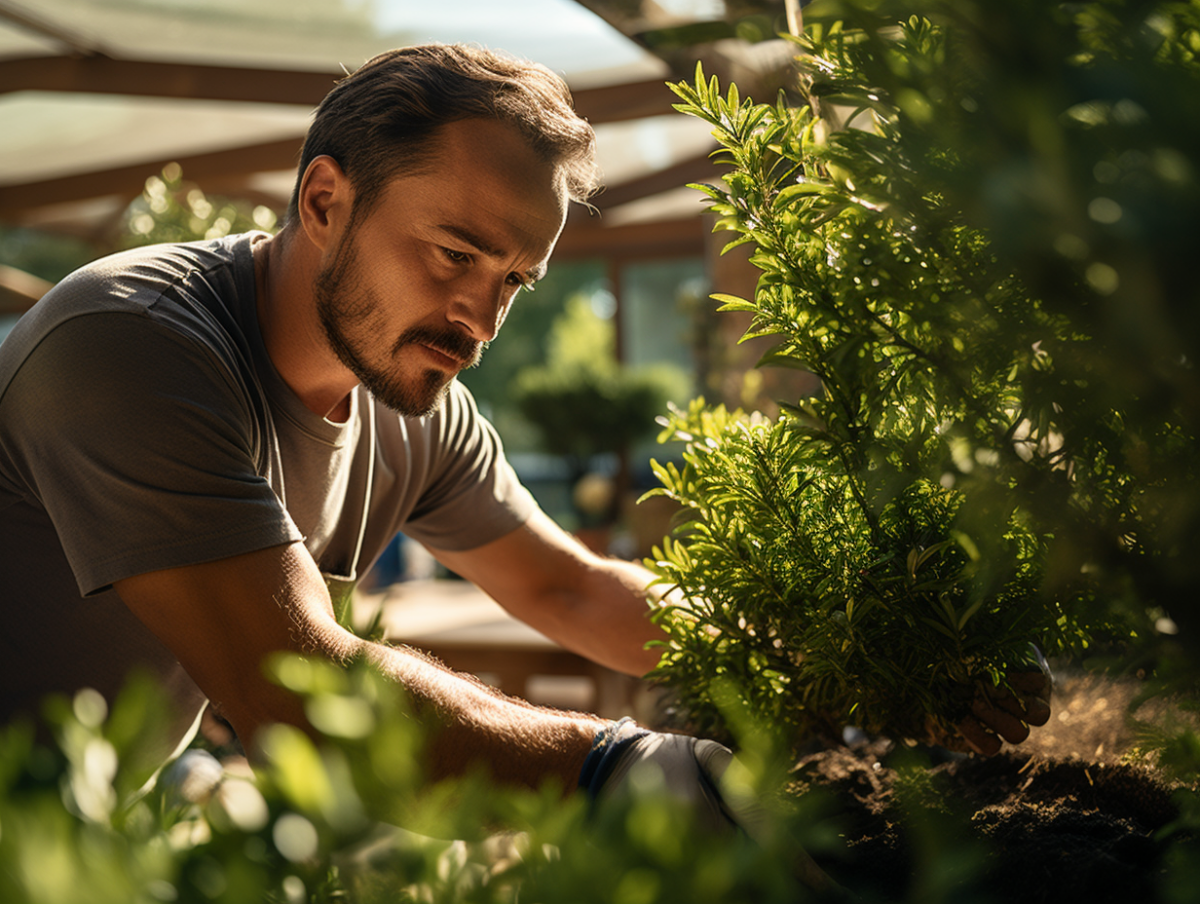
Mastering the art of pruning is essential for maintaining the health and aesthetics of trees and shrubs. This horticultural practice, when executed skillfully, stimulates flowering, promotes vigorous growth, and prevents diseases. Each plant species has specific needs that dictate the optimal timing and appropriate pruning techniques. Precise and thoughtful cuts can transform an ordinary garden into a structured and dynamic green haven. Understanding the different methods, such as formative pruning, maintenance pruning, or rejuvenation pruning, is crucial for anyone wishing to cultivate a vibrant and harmonious landscape.
Understanding the Importance of Pruning for the Health of Trees and Shrubs
At the heart of the practices of Jardiner Naturellement, the health of trees and shrubs is maintained through meticulous and appropriate cuts. Pruning directly influences the vigor of plants and their ability to thrive year after year. In France, where the diversity of ornamental and fruit species requires sharp knowledge, maintaining trees through pruning proves to be a fundamental component of gardening. It not only shapes the plant architecture but also prevents the onset of diseases by removing dead wood and diseased branches.
The circulation of light within the foliage is an element not to be overlooked. Adequate pruning promotes sufficient sunlight for all branches, which is crucial for the growth of shrubs and fruit production. Flowering shrubs, in particular, greatly benefit from this practice that stimulates the formation of flower buds. Pruning is not merely an aesthetic concern; it is a necessity for the plant to flourish under optimal conditions.
The pruning of trees and shrubs is an essential step in their life cycle. It should not be seen as a secondary task but rather as a beneficial, even essential, action for their development. Whether for an ornamental shrub or a fruit tree, every cut of the secateurs is a gesture in favor of the garden’s vitality. Experienced gardeners know that behind every cut lies the potential for new growth, more abundant flowering, and denser foliage.
Pruning Techniques Suitable for Different Species of Trees and Shrubs
Formative pruning, practiced during the early years of a tree’s life, is essential for establishing a strong and well-distributed structure. This technique is particularly indicated for fruit trees, where it encourages the establishment of robust framework branches capable of supporting the weight of future harvests. For ornamental trees, formative pruning helps define the overall shape of the tree, in harmony with the surrounding landscape. Follow the natural lines of the species in question, referring to specialized gardening manuals or online resources such as those offered by Google LLC.
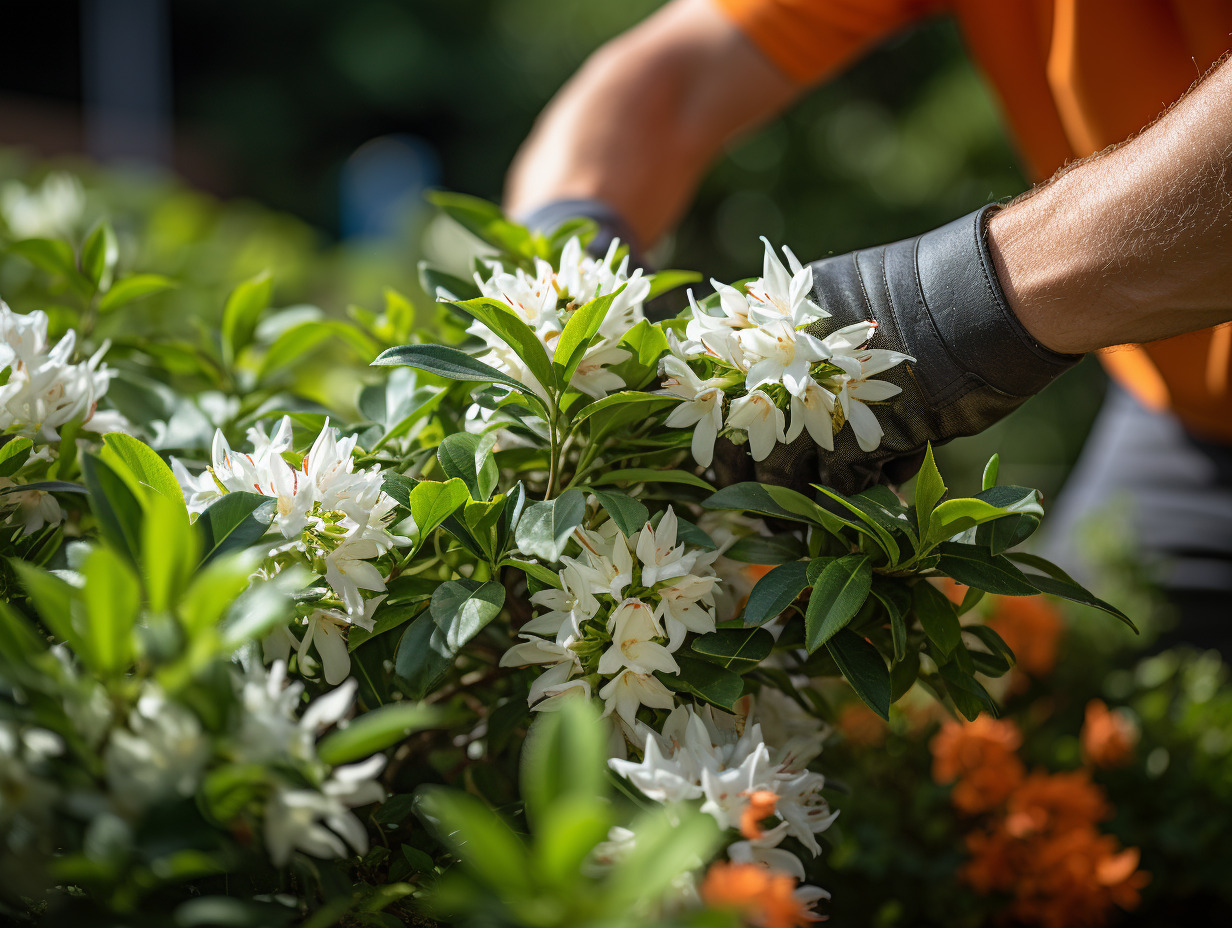
In terms of maintenance pruning, this is a regular practice aimed at maintaining the shape of the tree or shrub. It is carried out throughout the plant’s life and includes the removal of dead or diseased branches, the elimination of suckers at the base of the tree, and the cutting of crossing branches. This technique applies to both trees and flowering shrubs, which require special attention to ensure optimal blooming. For the latter, prune after flowering to avoid compromising the flowering of the following season.
Rejuvenation pruning, on the other hand, targets older trees and shrubs that show signs of aging or declining production. It involves gradually removing old branches in favor of younger, more vigorous shoots. This intervention, although more drastic, injects new energy into the plant and can significantly prolong its lifespan and productivity. It is a technique particularly appreciated in the regeneration of flowering shrubs and fruit trees, where it can revitalize the production of flowers and fruits.